
Cats are fascinating creatures, full of quirks and mystery. Many people misunderstand cats as aloof or independent. Yet, many cats actually crave affection. They thrive on the bond they share with their humans. Their way of showing love can differ from dogs. Still, most cats deeply wish for connection.
Why Do Cats Seek Affection?
Cats are social animals by nature. They don’t always show their need for attention as overtly as other pets. In the wild, feral cats form colonies, sharing resources and companionship. Domesticated cats carry that social instinct and often look to their owners for comfort, security, and interaction.
Affectionate behavior is also rooted in trust. When a cat feels safe, it’s more to show affection by sitting on your lap. They rub against you. They also give a slow blink, often referred to as a “cat kiss.”
Signs Your Cat Craves Attention
Cats don’t all express their need for attention in the same way.These are some common signs:
1. Head Butting and Rubbing: Cats mark you with their scent to show they trust you. It’s their way of expressing trust.
2. Purring: A soft, steady purr often signals contentment and a wish to be close.
3. Going After You: Cats who shadow you from room to room are often looking for companionship.
4. Kneading: This behavior, reminiscent of kittenhood, is a sign of comfort and affection.
5. Vocalizing: Meows and chirps can be a cat’s way of saying, “Pay attention to me!”
How to Nurture Your Cat’s Need for Affection
1. Petting and Cuddling: Most cats enjoy being stroked, especially on their head, cheeks, and under the chin. Pay attention to their body language to avoid overstimulation.
2. Playtime: Interactive toys like feather wands and laser pointers offer both physical activity and bonding time.
3. Grooming: Brushing your cat not only keeps their coat healthy but also strengthens your bond.
4. Respect Their Space: While most cats love affection, they also value their independence. Recognize when your cat wants some alone time.
Understanding Individual Personalities
It’s important to remember that not all cats are the same. Some are naturally more reserved, while others are highly social and crave constant interaction. Breed, early socialization, and individual temperament all play a role. For instance, Siamese and Ragdoll cats are known for their affectionate nature, while some shorthaired breeds may be more independent.
The Joy of Feline Affection
Sharing affection with a cat is deeply rewarding. When a cat curls up in your lap, it trusts you. A loving nudge is also a sign of their love. Understand how they show affection. This helps you create a stronger bond with your feline friend. It ensures your feline friend feels safe, happy, and loved.
So, the next time your cat demands attention by sitting on your keyboard. Or when they follow you to the kitchen. Remember—they’re not just being playful. They’re showing you how much they value your companionship.
Do you have a particularly affectionate cat? Share your stories in the comments below!
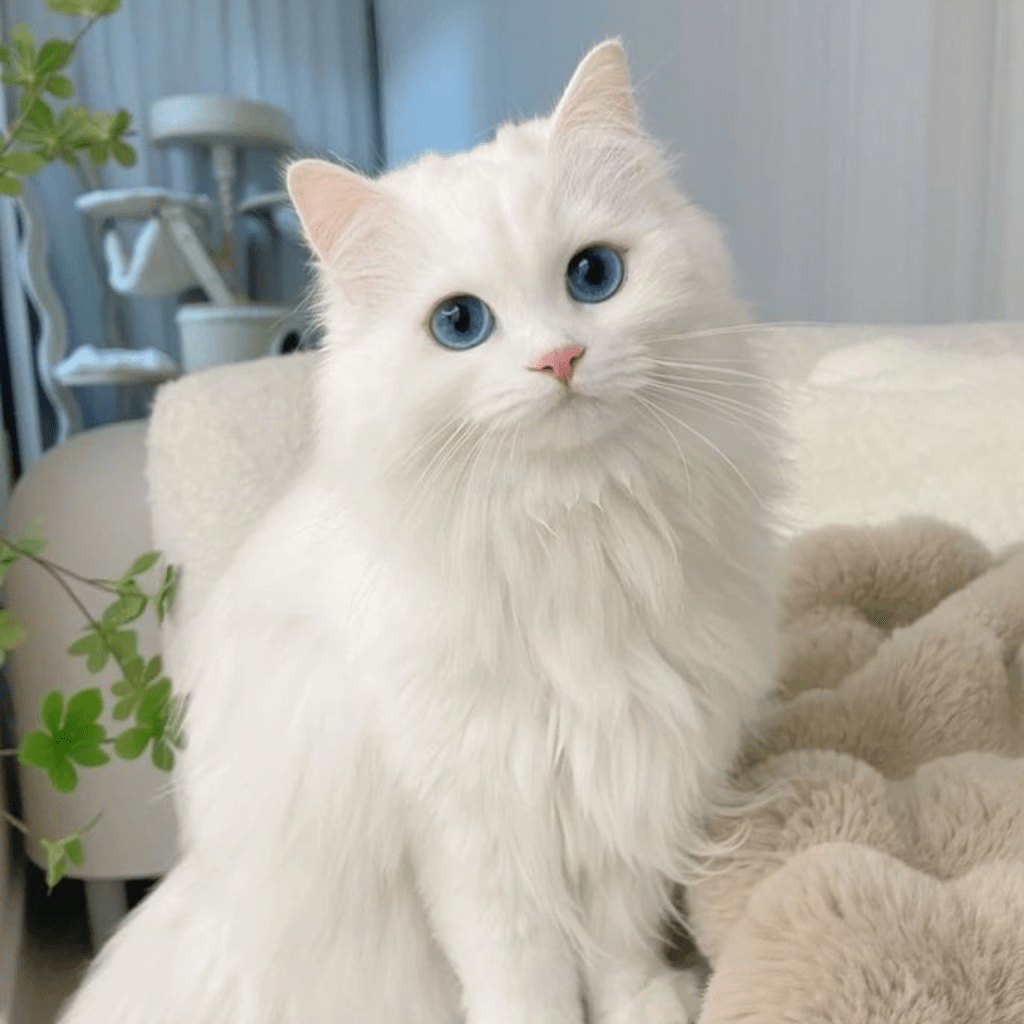
The Affectionate Side of Cats: Understanding Their Need for Love.
—
by
 TRUTH
TRUTH 
Leave a comment